Rekey vs. Replace Locks: Making the Right Security Choice
Navigating lock decisions for your Camberwell property? Discover when to rekey vs. replace locks for optimal security, condition, and cost, guided by local expertise.
Rekey vs. Replace Locks: Making the Right Security Choice
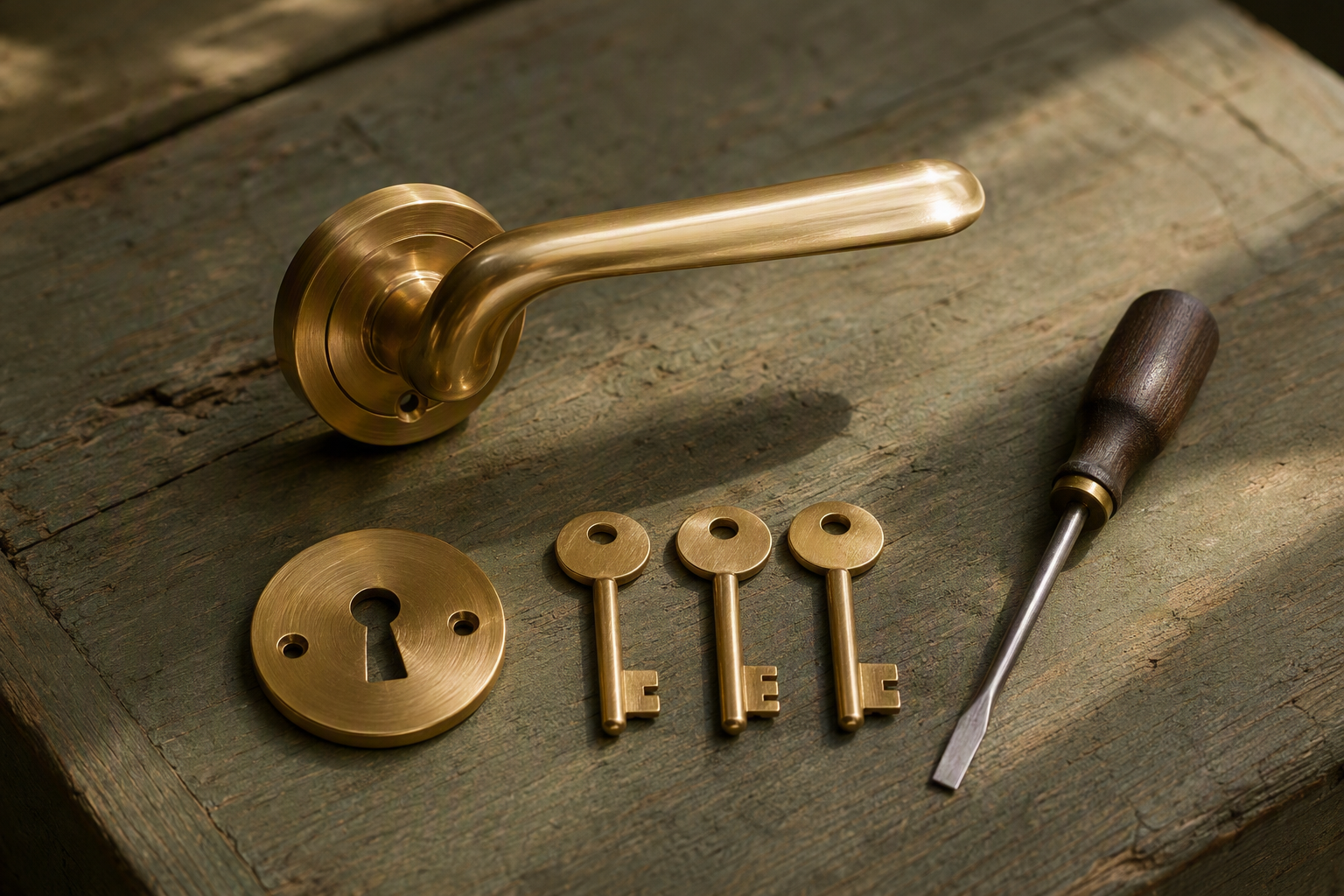
For homeowners, landlords, and commercial property managers across Camberwell and inner-east Melbourne, ensuring the security of a building often comes down to a critical decision: should you rekey your locks or opt for a complete lock replacement? This choice, while seemingly simple, involves nuances of security, cost, and the specific condition of your existing door hardware. Understanding the fundamental differences between these two locksmithing services is key to making an informed decision that aligns with your property's needs and aesthetic integrity.
At Nina Locksmith Camberwell Service, we understand "the details that keep a door working" are paramount. Our approach focuses on precision and longevity, whether we're addressing the intricate mechanisms of a period home's brass hardware or the robust security requirements of a modern commercial space. This guide explores the scenarios where rekeying is an efficient solution and when a full lock replacement becomes the more appropriate, long-term investment, helping you navigate your security choices with confidence.
Understanding the Nuances: Rekeying vs. Replacing Locks
The terms "rekeying" and "replacing locks" are often used interchangeably, but they refer to distinct processes with different outcomes and implications for your property's security. A clear understanding of each service is the foundation for making the right choice for your Camberwell home or business.
What is Rekeying?
Rekeying is the process of altering the internal mechanism of an existing lock so that a new key operates it, rendering all previous keys obsolete. The lock body, cylinder, and external hardware remain the same; only the "pins" or "wafers" inside the lock cylinder are changed. This service is a highly effective way to update security without changing the physical appearance or entire functionality of your door hardware. For instance, if you've recently moved into a new property or an employee has departed, rekeying ensures that no one with old keys can gain access. Rekeying Services: Adapting Your Locks Without Full Replacement can be a cost-effective and efficient solution for many situations.
What is Lock Replacement?
Lock replacement involves removing the entire existing lock assembly – including the cylinder, housing, and often the trim – and installing a brand new one. This could mean fitting an identical new lock, upgrading to a higher security model, or changing the style and finish to match new architectural aesthetics. Replacement is a comprehensive change, offering the opportunity to introduce different security features, improve durability, or update the hardware's appearance. It's a more involved process than rekeying, often chosen when existing hardware is compromised or unsuitable for current needs.
Factors Guiding Your Decision: Security, Condition, and Cost
Choosing between rekeying and replacing locks involves balancing several practical considerations. Each situation presents a unique set of circumstances that will influence the most appropriate course of action for your property.
Security Considerations
Security is often the primary driver behind any lock-related decision. Rekeying significantly enhances security by preventing access with old keys. If you’re concerned about lost keys or previous occupants retaining access, rekeying is highly effective. However, if the existing lock itself is a low-security model, visibly damaged, or susceptible to common bypass techniques, simply rekeying it might not provide the robust protection you need. In such cases, a full lock replacement with a higher-grade security lock, such as a sturdy deadlock, offers a substantial upgrade. This is particularly relevant for main entry points or valuable assets.
Hardware Condition and Longevity
The physical condition of your lock hardware plays a crucial role. If your lock is stiff, difficult to operate, or showing visible signs of wear, rust, or damage, rekeying alone may not resolve these issues. A worn lock mechanism can compromise its reliability and ease of use, even with a new key. Our focus on "the details that keep a door working" means we prioritise the entire mechanism. For concerns like a stiff door lock fix or a latch that isn't engaging properly, a professional assessment can determine if a repair or replacement of components is needed rather than just rekeying. Replacing old, failing hardware ensures smooth operation and extended longevity, offering peace of mind.
Cost Implications
Generally, rekeying is a more economical service than full lock replacement. It requires less labour and fewer parts, as only the internal pins are changed. Lock replacement, conversely, involves the cost of a new lock unit, plus the labour for removal of the old lock and precise installation of the new one. While initial cost is a factor, consider the long-term value. Investing in a new, high-quality lock may prevent future repair costs or security breaches, especially if your current hardware is old or underperforming. We provide clear assessments to help you weigh these factors without focusing on pricing figures directly.
When Rekeying is the Optimal Choice
Rekeying offers an efficient and often preferred solution for specific scenarios where the existing hardware remains sound. It's a practical option that addresses key control without the need for a full overhaul.
Tenancy Changes and Lost Keys
One of the most common reasons to rekey locks is a change in occupancy. When tenants move out of an apartment or house, or when a commercial lease ends, rekeying ensures that former occupants no longer have access. This is a standard and recommended practice for landlords and property managers across Melbourne's inner-east. Similarly, if you lose your keys, rekeying eliminates the risk of those lost keys falling into the wrong hands and being used to access your property. This immediate security update is both effective and less disruptive than replacing every lock. For property managers, understanding Property Management Lock Solutions: Tenancy Turnover in Melbourne is vital for efficient security updates.
Consolidating Keys
Many properties end up with a collection of different keys for various doors – the front door, the back door, perhaps a shed or a gate. Rekeying allows multiple locks to be set to operate with a single new key. This keying alike service simplifies daily life, reduces key bulk, and enhances convenience without compromising security. It's a popular choice for residential properties and even for smaller commercial setups where specific doors need to share access.
When Full Lock Replacement Becomes Essential
While rekeying is suitable for many situations, there are distinct circumstances where a complete lock replacement is not just advisable, but necessary for optimal security and functionality.
Damaged or Worn Hardware
If your lock mechanisms are visibly damaged, corroded, or excessively worn, rekeying won't restore their physical integrity or smooth operation. This includes issues like a loose cylinder, a latch that frequently sticks, or internal components that are failing. For properties in Camberwell, especially period homes with older timber doors, the hardware can show significant signs of age. In such cases, a complete lock replacement Camberwell ensures reliability and proper function. Ignoring these issues can lead to inconvenient lockouts or, worse, compromise your security.
Upgrading Security or Functionality
Sometimes, the existing locks simply don't meet current security standards or desired functionality. Perhaps you want to upgrade from a basic spring latch to a robust deadlock for enhanced protection, or introduce a smart lock system. Property owners might also seek to upgrade their door hardware to improve the aesthetic appeal of their entryways, particularly for architectural styles prevalent in Camberwell. For apartment dwellers, upgrading might involve navigating specific requirements, as discussed in Apartment Door Locks: Navigating Owners Corporation Rules in Camberwell. In these situations, a full replacement is necessary to introduce new features, improve security ratings, or match a specific design vision. Preserving the integrity of heritage properties, for instance, often involves careful selection of replacement hardware that respects the original design, a topic we cover in Preserving Heritage: Locksmithing for Camberwell's Period Homes.
Incompatible or Outdated Mechanisms
Certain doors, particularly those in older homes or commercial properties, might have lock mechanisms that are outdated, proprietary, or simply incompatible with readily available modern security solutions. This is often the case with vintage hardware that is beyond repair or requires parts no longer manufactured. In such scenarios, rather than struggling with an inefficient or unsecure system, a full lock replacement with contemporary, high-quality hardware is the most practical and secure long-term solution.
Frequently Asked Questions
Can all types of locks be rekeyed?
Most standard pin tumbler locks, including common deadbolts and knob locks, can be rekeyed. However, some high-security locks or older, unique mechanisms may not be rekeyable and would require replacement if a key change is needed. Our locksmiths can assess your specific hardware.
How long does it take to rekey a lock compared to replacing one?
Rekeying a single lock is generally a quicker process, often taking less time than a full replacement. However, the exact time depends on the type of lock and the number of locks involved. Replacement can take longer due to removal and precise installation of new hardware.
What if I'm not sure whether to rekey or replace?
If you are unsure, it is always best to consult with a professional locksmith. We can assess the condition of your existing locks, discuss your security needs, and provide an expert recommendation tailored to your specific situation and property.
Is rekeying less secure than replacing a lock?
No, not necessarily. If the existing lock mechanism is in good condition and offers adequate security for your needs, rekeying is just as secure as having a new lock with new keys. The security difference comes into play if the type of lock itself is insufficient for your requirements, in which case a replacement with a higher-security model is recommended.
Conclusion
The decision to rekey vs. replace locks is a fundamental one for maintaining the security and functionality of your property in Camberwell. While rekeying offers an efficient and cost-effective solution for key control issues like lost keys or tenancy changes, full lock replacement becomes essential when the existing hardware is damaged, offers insufficient security, or no longer meets your aesthetic or functional requirements.
At Nina Locksmith Camberwell Service, we bring precision and local trust to every door. We understand the unique architectural character of properties around Locksmith Camberwell: Expertise for Burke Road & Camberwell Junction Properties, from period homes to modern apartments and commercial frontages. By carefully assessing your specific needs and the condition of your hardware, we provide tailored advice to help you make the right security choice. For expert guidance on your door hardware decisions, whether you need to rekey, repair, or replace, please do not hesitate to contact us.