Stiff Door Locks and Latches: Diagnosis and Resolution
Experiencing a stiff door lock or a latch that won't engage in Camberwell? Learn the common causes and effective solutions for a stiff door lock fix and proper door hardware maintenance.
Stiff Door Locks and Latches: Diagnosis and Resolution
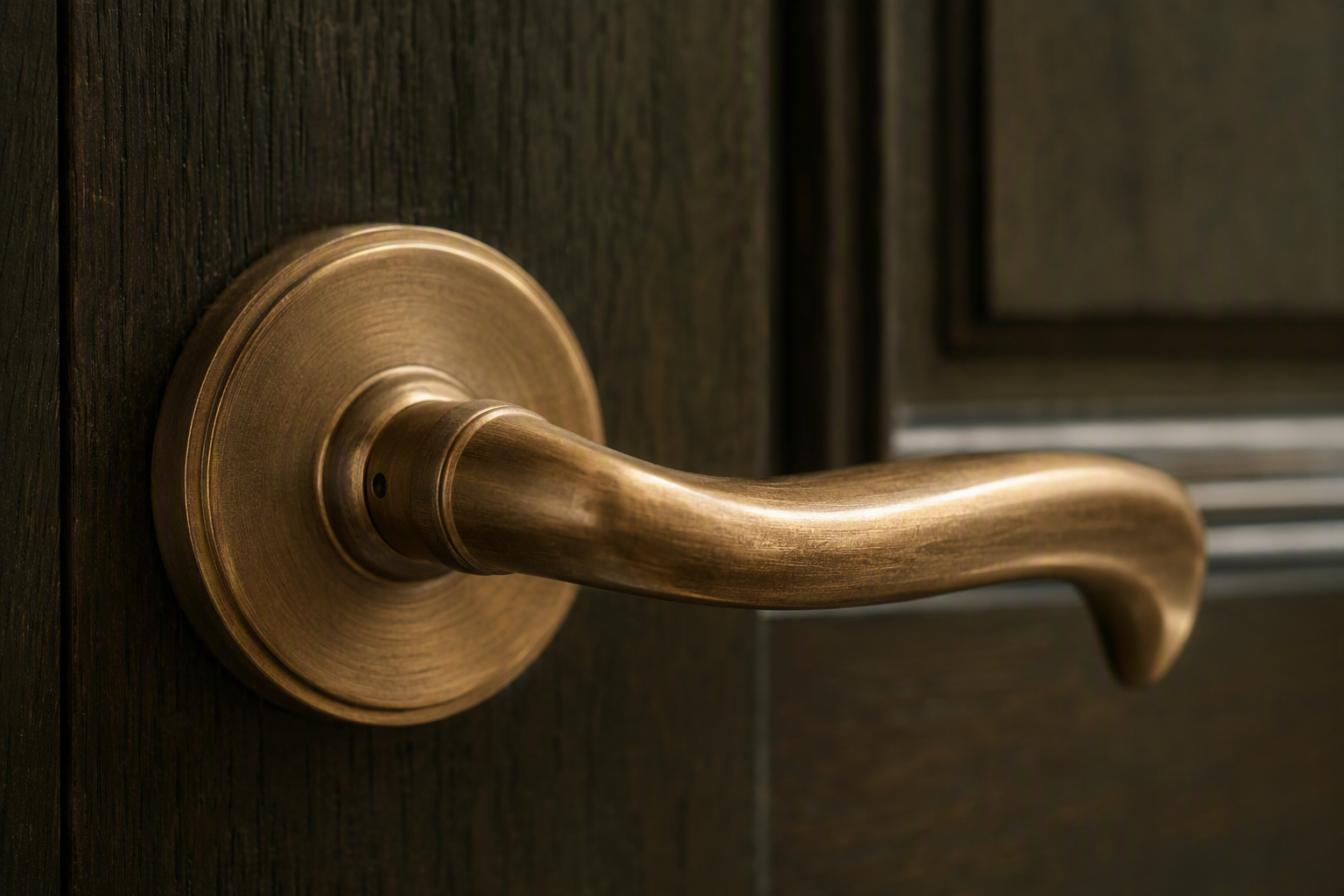
A door that resists smooth operation or a lock that requires effort to turn can quickly become a daily frustration. When you find yourself wrestling with a reluctant entry point, it’s often a clear signal that the underlying mechanism or its surrounding architecture needs attention. In Camberwell’s distinctive homes and commercial premises, where a blend of period charm and modern function often co-exists, maintaining the precise operation of your door hardware is essential for both convenience and security. A common issue homeowners and businesses face is a stiff door lock or a latch that simply won't engage as it should, leading to insecure doors or even keys breaking off inside the cylinder.
This guide will delve into the various reasons why your door hardware might not be performing optimally, from subtle environmental changes to the accumulated effects of daily use. We’ll explore how to identify the specific components contributing to the problem, helping you understand whether it's a matter of wear, debris, or misalignment. While some minor issues might be resolved with careful cleaning and lubrication, others require a more detailed approach, often necessitating the precise touch of an experienced hand. Understanding the root cause is the first step towards a lasting solution, ensuring your doors close securely and operate with the quiet efficiency you expect.
Common Causes of Stiff Locks and Malfunctioning Latches
The intricate workings of a door lock and latch assembly are susceptible to various factors that can impair their smooth function. Identifying the specific cause is crucial for an effective stiff door lock fix. In areas like Camberwell, with its mature gardens and varied climate, these issues can often be traced back to environmental influences or simply the passage of time.
Environmental Factors and Accumulation
Dust, dirt, paint overspray, and even moisture can accumulate within the lock mechanism and around the latch bolt. This foreign matter acts as an abrasive or a sticky barrier, hindering the free movement of internal components. For exterior doors, especially, changes in humidity or temperature can cause timber doors and frames to subtly expand or contract, altering the precise clearances required for smooth operation. This is particularly relevant for many of Camberwell’s period homes with their beautiful timber doors and frames.
Wear and Tear Over Time
Locks and latches are mechanical devices, subject to friction and stress with every use. Over years of opening and closing, internal springs can weaken, tumblers can wear down, and moving parts can become galled or distorted. This natural wear gradually increases resistance, making the key harder to turn or the latch bolt sluggish. For antique or heritage hardware, this wear can be quite pronounced, presenting unique challenges for restoration and repair.
Misalignment of Components
Often, a stiff lock or a latch not engaging door properly isn't a problem with the lock itself, but with its alignment relative to the door frame. This can occur due to:
- Door Sag: Over time, doors can subtly sag on their hinges, causing the lock bolt and latch to no longer perfectly align with the strike plate on the frame.
- Frame Movement: House foundations can settle, or timber frames can warp, shifting the frame relative to the door.
- Loose Hardware: Screws holding the lock body or strike plate can loosen, allowing the components to shift out of alignment. Each of these scenarios can create friction points or prevent the latch from fully extending into the strike plate, leading to a frustrating user experience.
Investigating the Mechanism: Cylinders, Latches, and Strike Plates
To effectively diagnose why your door hardware is resisting, it helps to understand the function of its primary components. Each plays a critical role in the door's operation, and problems in any one area can lead to a stiff door lock fix scenario. For those interested in the intricacies of door security, Understanding Door Lock Types: Deadlocks, Latches, and Keying Systems offers a deeper dive into these mechanisms.
The Lock Cylinder
This is the part where you insert your key. Inside the cylinder, a series of pins (or wafers, depending on the lock type) must align perfectly for the cylinder to rotate and actuate the bolt. If the cylinder is stiff, it could be due to:
- Worn or Damaged Key: A bent or excessively worn key won't align the pins correctly, causing resistance.
- Internal Debris: Dust, grime, or even remnants of a broken key can clog the pin chambers.
- Corrosion or Lack of Lubrication: Over time, the internal components can become dry or corroded, increasing friction.
- Manufacturing Defects or Damage: Less commonly, the cylinder itself might be faulty or have sustained internal damage.
The Latch Bolt Assembly
The latch bolt is the spring-loaded mechanism that protrudes from the door's edge and retracts when you turn a handle or knob, allowing the door to open. If the latch not engaging door is your primary issue, consider:
- Weakened Spring: The internal spring responsible for projecting the latch can weaken, causing it to retract slowly or not fully extend.
- Galling or Debris: Friction or accumulated gunk can prevent the latch from moving freely within its housing.
- Bent Latch Bolt: Physical damage can distort the latch, causing it to bind.
- Problem with the Handle/Knob Mechanism: The spindle connecting the handle to the latch assembly might be bent or worn, leading to poor leverage.
The Strike Plate
The strike plate is the metal plate fixed to the door frame into which the latch bolt (and often the deadbolt) extends. Its correct positioning is paramount. Issues here include:
- Misalignment: The most common problem. If the strike plate is even slightly off, the latch bolt will hit the frame instead of sliding smoothly into the mortise, or it will bind when entering. This can cause the door to not close fully or the latch to not engage.
- Worn or Damaged Plate: Over time, repeated impact from the latch bolt can wear down the edges of the strike plate opening, or the plate itself can become loose or damaged.
- Loose Screws: A loose strike plate can shift, leading to misalignment. When these components are not in harmony, the door's function is compromised, underscoring the need for careful investigation.
When Repair is Possible: Addressing Wear and Alignment Issues
Not every stiff lock or recalcitrant latch necessitates a full replacement. Often, a precise lock repair Camberwell professional can restore functionality by addressing specific wear and alignment issues. This approach not only saves resources but also helps preserve the original hardware, which is especially valued in Camberwell’s heritage properties.
Minor Adjustments & Lubrication
Before considering more extensive repairs, simple steps can often resolve minor stiffness. A clean, non-greasy lubricant specifically designed for locks (like a dry graphite lubricant or a silicone-based spray, avoiding WD-40 which can attract dust) can improve cylinder rotation and latch movement. Applying it sparingly into the keyway and around the latch bolt can reduce friction. Simultaneously, checking and tightening any loose screws on the lock body, handles, or strike plate can often restore proper alignment and reduce play.
Addressing Door Sag and Frame Movement
If the door itself has sagged or the frame has shifted, causing the latch to miss the strike plate, a different approach is needed.
- Hinge Adjustment: For a sagging door, adjusting or replacing worn hinges can re-level the door, bringing the lock and latch back into alignment with the strike plate. This might involve tightening hinge screws, shimming hinges, or even replacing bent hinge pins.
- Strike Plate Adjustment: If door or frame movement is minimal, simply relocating the strike plate a millimeter or two, or carefully filing the edges of its opening, can provide the necessary clearance for the latch to engage smoothly. This is a delicate task that requires precision to avoid damaging the door frame. These adjustments are part of good door hardware maintenance, ensuring the longevity and smooth operation of your entryways. For more on preserving your existing hardware, see our article on Precision Lock Repair and Ongoing Maintenance for Longevity. And if your specific issue is a When Your Latch Isn't Engaging or Door Won't Close Securely, we have dedicated insights for that.
Hardware Refurbishment
For older, high-quality hardware in period homes, component wear doesn't always mean the end. Skilled locksmiths can often disassemble mechanisms, clean internal parts, replace worn springs, or even custom-fabricate small components. This refurbishment process can bring an older lock back to excellent working order, maintaining the aesthetic and historical integrity of the door. This is particularly common with brass hardware common in Camberwell.
Knowing When to Seek Professional Assistance
While some basic adjustments and lubrication can go a long way, there are situations where a professional locksmith's expertise becomes indispensable. Attempting complex repairs without the right tools or knowledge can exacerbate the problem, potentially leading to further damage or compromised security.
Beyond Simple Lubrication
If, after cleaning and lubricating, your key still resists turning, or the latch continues to bind, the issue likely lies deeper within the mechanism. Internal wear, a bent component, or a misaligned cylinder may require specialist tools and diagnostic skills. A professional locksmith can accurately identify these hidden problems and perform precise internal repairs that are beyond the scope of typical DIY efforts. They understand the nuances of different lock types, from traditional mortice locks in older Camberwell residences to modern cylinder systems.
Damage Requiring Expertise
When a key breaks off inside the lock, or if the lock mechanism feels severely loose or jammed, it's time to call an expert. These situations often indicate significant internal damage that needs careful extraction or intricate repair. A locksmith can extract broken keys without damaging the cylinder and assess whether the lock can be repaired or if replacement is the more secure and cost-effective option. If you're trying to describe a complex problem, our guide on How to Describe Your Lock Problem Accurately to a Locksmith can be very helpful.
Preserving Architectural Integrity
For homes and businesses in areas like Camberwell, particularly those with heritage status or distinctive architectural features, maintaining the original hardware is often a priority. A professional locksmith, especially one familiar with the local architectural landscape, can provide solutions that respect the aesthetic and historical value of your property. They can perform intricate repairs on period locks, source appropriate replacement parts that blend seamlessly, or advise on upgrades that offer enhanced security without sacrificing character. For expert advice on securing properties in this area, consider consulting specialists in Locksmith Camberwell: Expertise for Burke Road & Camberwell Junction Properties.
Frequently Asked Questions About Stiff Locks and Latches
Q: Why does my door lock suddenly feel stiff after rain or humidity?
A: Timber doors and frames can absorb moisture and subtly expand, creating pressure on the lock mechanism and reducing the precise clearances needed for smooth operation. Metal components can also experience increased friction or minor corrosion in humid conditions.
Q: Is it safe to use WD-40 or similar multi-purpose oil in a door lock?
A: It's generally not recommended for lock cylinders. While it may provide temporary relief, WD-40 is a solvent that can attract and trap dust and debris, eventually leading to a stickier, more jammed lock. Opt for a dry graphite or silicone-based lock lubricant instead.
Q: My latch bolt isn't fully retracting, and the door keeps sticking. What can I do?
A: Check for loose screws on the door handle/knob assembly and the lock body itself. Ensure nothing is obstructing the latch bolt's path. If it's still stiff, it might indicate a weakened spring or internal wear that requires professional assessment for a latch not engaging door fix.
Q: How do I know if I need to repair or replace my stiff lock?
A: Minor stiffness due to lubrication issues or slight misalignment can often be repaired. If the lock is severely worn, damaged, or compromises security, replacement might be the better option. A locksmith can assess the condition and advise on the most suitable solution.
Q: Can a locksmith fix a lock that has paint overspray inside the keyway?
A: Yes, a locksmith can often clean out paint overspray from a keyway using specialized tools and cleaning agents, restoring the lock's functionality without necessarily replacing the entire mechanism.
Conclusion
A stiff door lock or a problematic latch is more than just an inconvenience; it can be a subtle indicator of a security vulnerability or the precursor to a more significant breakdown. Understanding the common culprits—from environmental shifts and accumulated debris to everyday wear and tear or simple misalignment—is key to addressing the issue effectively. Whether it's a minor adjustment, a targeted lubrication, or a more involved repair, restoring the smooth, precise function of your door hardware is essential for the security and comfort of your home or business.
While some superficial issues can be tackled with careful DIY attention, the intricate nature of modern and heritage lock mechanisms often calls for a professional touch. For residents and businesses across Camberwell and the inner-east, ensuring that the details that keep a door working are finely tuned is paramount. When in doubt, or when the problem persists, consulting with a locksmith who understands the precision required for quality architectural hardware can make all the difference. For expert lock repair Camberwell services, designed to restore the quiet confidence of a perfectly functioning door, reach out to Nina Locksmith Camberwell. Discover how our approach to meticulous maintenance and repair can benefit your property by contacting us today. Contact us to discuss your lock and latch concerns.