When Your Latch Isn't Engaging or Door Won't Close Securely
Experiencing a door latch not engaging or a door that won't close securely in Camberwell? Understand common causes like door alignment issues, strike plate adjustment, and hardware wear, and find effective solutions for lock repair in your Camberwell home.
When Your Latch Isn't Engaging or Door Won't Close Securely
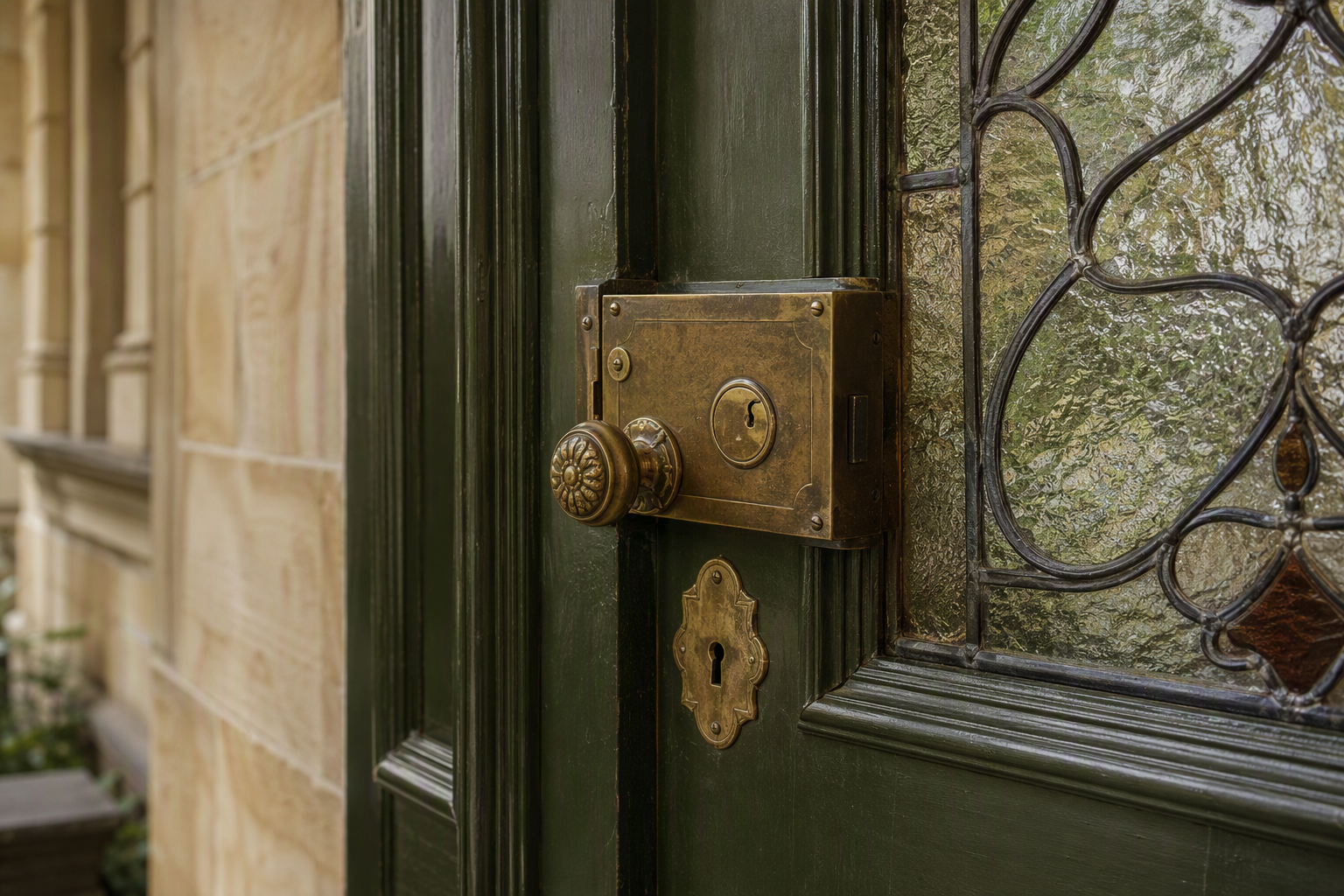
Few things are as frustrating as a door that refuses to close properly. Whether it’s a front entry, an internal passage, or a rear service door, when the latch isn't engaging door closure becomes an irritating and often, a security concern. For residents and businesses across Camberwell, this common issue can stem from various sources, ranging from subtle shifts in the building's structure to wear in the door's intricate hardware. Understanding the underlying problem is the first step toward effective lock repair Camberwell, ensuring your doors offer the precision and security you expect.
At Nina Locksmith Camberwell Service, we understand "the details that keep a door working." We approach every service call with an appreciation for the specific architecture and hardware found in our inner-east Melbourne neighbourhood. From stately period homes with their unique timber doors and brass hardware to modern apartments, a door that doesn't close securely points to an imbalance in its finely tuned components. This guide explores the common culprits behind a non-engaging latch and offers insights into restoring your door's reliable function, focusing on crucial elements like door alignment issues and strike plate adjustment.
Diagnosing the Causes of Non-Engaging Latches and Bolts
When your door's latch fails to engage the strike plate, it's often a symptom of one or more underlying issues. The precision with which a door operates depends on a harmonious interaction between its frame, hinges, and the lock mechanism itself. A thorough diagnosis considers all these elements to identify the root cause of the malfunction.
Wear and Tear on Lock Hardware
Over years of use, the internal components of a lock's latch mechanism can wear down. Springs may weaken, followers can become stiff, or the latch bolt itself might become corroded or gummed up with accumulated grime. This can lead to a sluggish or incomplete extension of the latch, preventing it from fully entering the strike plate opening. Similarly, the faceplate screws might loosen, allowing the entire mechanism to shift slightly within the door, disrupting its alignment with the frame. This type of wear is particularly common in older Camberwell properties where original hardware has seen decades of operation.
Debris or Obstructions in the Strike Plate
Sometimes, the problem is far simpler. The opening in the strike plate – the metal plate fixed to the door frame – can become clogged with paint, dust, debris, or even small insects. If the latch bolt cannot fully extend into this opening, it will bounce back, leaving the door ajar. Visually inspecting the strike plate and ensuring it's clear of obstructions is a quick initial check. This is especially pertinent after renovations or painting where excess material might have accidentally narrowed the opening.
Loose Fastenings Affecting Lock Operation
The lock body itself, particularly the cylinder and handles, is secured to the door with screws. If these screws loosen over time, the entire lock assembly can shift or wobble. This seemingly minor movement can throw off the critical alignment between the latch bolt and the strike plate, causing the latch not engaging door closure. A door's hardware, especially in heritage homes, often comprises complex, layered components that all need to be securely fastened for optimal function. For further insights into addressing similar issues, consider reading our article on Stiff Door Locks and Latches: Diagnosis and Resolution.
The Role of Door Alignment, Hinges, and Strike Plates
Beyond the lock itself, the structural integrity and precise positioning of the door and its frame are paramount to proper latch engagement. Even the most robust lock mechanism will fail if the door and its opening are not perfectly aligned. This is particularly relevant in Camberwell, where period homes often experience subtle structural shifts over decades.
Door Alignment Issues from Building Settlement
Melbourne's varied soil conditions and the age of many Camberwell properties mean that minor building settlement is a reality. Over time, foundations can shift, causing door frames to rack or sag slightly. Even a millimetre of movement can alter the relationship between the door and the frame, meaning the latch bolt no longer lines up perfectly with the strike plate. This type of door alignment issues can manifest as the door catching on the frame, or the latch hitting above or below the strike plate opening. Identifying settlement requires an experienced eye, as solutions may range from simple adjustments to more involved frame work. This meticulous approach is key to Preserving Heritage: Locksmithing for Camberwell's Period Homes.
Worn or Misaligned Hinges
Hinges are the unsung heroes of a door's operation, bearing its weight and guiding its swing. If hinges become loose, worn, or bent, the door can drop or sag. This vertical or horizontal shift directly impacts where the latch bolt meets the strike plate. Loose hinge screws are a common culprit, allowing the door to pull away from the frame at the hinge side. In some cases, the hinges themselves might be bent or damaged, requiring repair or replacement to restore the door's proper swing arc and alignment. Checking the hinges for play or looseness should always be part of the diagnostic process for a misbehaving latch.
Incorrect or Misaligned Strike Plate Adjustment
The strike plate is the counterpart to the latch bolt, offering the recess for the bolt to enter and secure the door. If the strike plate is installed incorrectly, has shifted due to frame movement, or its opening is simply too small or mispositioned, the latch will not engage. Often, minor adjustments to the strike plate can resolve the issue. This might involve slightly enlarging the opening with a file, or carefully unscrewing and repositioning the plate to perfectly match the latch bolt's resting position. This precision in strike plate adjustment is a critical step in ensuring a secure and smooth-closing door.
Practical Solutions for Restoring Door Closure and Lock Functionality
Once the root cause of your non-engaging latch has been identified, a range of solutions can be applied, from simple homeowner adjustments to professional locksmith interventions. The goal is always to restore the precise operation that keeps your door working correctly.
Minor Adjustments and Lubrication
For issues like a slightly stiff latch or minor misalignment, some straightforward steps can often resolve the problem. Firstly, inspect all visible screws on the lock mechanism and hinges, tightening any that are loose. A few drops of a silicone-based lubricant (avoiding oil-based products that can attract dust) applied to the latch bolt and the internal mechanism through the lock face can work wonders for sluggish operation. If the strike plate is just marginally misaligned, a small metal file can be used to carefully widen the opening by a millimetre or two, allowing the latch to engage smoothly. These small acts of Precision Lock Repair and Ongoing Maintenance for Longevity can often significantly extend the life of your door hardware.
Addressing Hinge Issues
If worn or loose hinges are causing the door to sag, they need to be addressed directly. For loose hinge screws, simply tightening them might suffice. If the screw holes are stripped, larger screws or wood filler (with new screws) may be necessary to secure the hinges firmly. In cases of significant sagging, shimming the hinges by placing thin cardboard or wood shims behind the hinge leaves can lift the door slightly. For severely damaged or bent hinges, replacement might be the most effective solution to restore the door's proper alignment and support.
Professional Lock Repair or Strike Plate Adjustment
When adjustments prove insufficient or the problem lies with a more complex internal lock mechanism, a professional locksmith is often required. Nina Locksmith Camberwell Service specialises in diagnosing and repairing intricate lock issues, ensuring that the work is done precisely and in keeping with the aesthetic of your property. Our expertise extends to the nuances of older hardware, ensuring that components are either repaired to their original function or replaced with appropriate, high-quality alternatives. We can meticulously adjust or re-mortise strike plates for perfect alignment, and address any underlying door frame issues that contribute to misalignment.
When to Consider Lock Replacement or Rekeying
While many latch issues can be resolved through repair and adjustment, there are instances where a more comprehensive solution, such as lock replacement or rekeying, becomes necessary. These decisions are often driven by the extent of damage, security needs, or changes in property occupancy.
When Repair is No Longer Viable
If a lock mechanism is severely corroded, extensively worn, or has suffered significant internal damage, simple repair may not be a durable or cost-effective solution. In such cases, particularly with older or unique hardware found in Camberwell's heritage properties, a full lock replacement might be the most prudent choice. This ensures the restoration of full functionality and security, often with modern, more robust components that fit the existing door’s aesthetic and bore holes. When considering options, we guide you through choices that respect your property's character while enhancing its security.
Enhancing Security or Adapting to New Needs
Sometimes, a non-engaging latch is just one indicator that your existing lock hardware may no longer meet your security requirements. Perhaps the lock is an older, less secure model, or you've recently moved into a new home or had a change in tenancy. In these situations, even if the latch is fixable, upgrading to a more secure lock or rekeying the existing lock body provides a significant benefit. Rekeying, for instance, is an efficient way to change the keys for a lock without replacing the entire hardware, ideal for landlords or new homeowners. For a deeper understanding of these choices, refer to our guide: Rekey vs. Replace Locks: Making the Right Security Choice.
For Commercial and Residential Properties
The decision to repair, replace, or rekey applies equally to commercial and residential properties. For businesses along Burke Road and surrounding areas, a consistently secure and properly closing entry door is paramount for daily operations and inventory protection. For Camberwell homeowners, a smoothly functioning door contributes to peace of mind and the preservation of their property. Whether it's for a shopfront, an office suite, or your family home, our service in Locksmith Camberwell: Expertise for Burke Road & Camberwell Junction Properties ensures that solutions are tailored to your specific context and security needs. We focus on providing hardware that not only functions perfectly but also complements the architectural integrity of your building.
Frequently Asked Questions
Q: My door latch only sometimes engages. What's the most likely cause? A: Intermittent issues often point to minor door alignment issues, a slightly worn latch mechanism, or a strike plate that's just barely off-centre. Temperature and humidity changes can also cause wood doors and frames to expand or contract, affecting alignment.
Q: Can I fix a sticky latch myself? A: For a sticky latch, cleaning visible parts and applying a light, silicone-based lubricant can often help. If the problem is due to loose screws on the lock body or hinges, tightening them can resolve it. However, if the internal mechanism is truly faulty or there are significant door alignment issues, professional help is recommended.
Q: How do I know if my door alignment issues are serious? A: If your door scrapes the frame when opening or closing, has large gaps around it when shut, or consistently fails to latch despite tightening screws and lubricating, it likely has serious alignment issues. This may indicate problems with hinges, frame integrity, or even slight building settlement, requiring expert assessment.
Q: Is it better to repair or replace a faulty lock? A: The decision depends on the extent of the damage, the age and type of the lock, and your security needs. Minor issues like a stiff latch or loose components are often repairable. However, if the lock is old, severely worn, or lacks sufficient security features, replacement might be a better long-term investment.
Q: How long does a typical lock repair take? A: The duration varies depending on the complexity of the issue. Simple adjustments or lubrication might take less than an hour. More involved repairs, such as replacing internal components or adjusting a severely misaligned door frame, could take longer. Our locksmiths provide an assessment upon arrival.
Ensuring Your Doors Close With Precision
A door that won't close securely, with a latch not engaging door as it should, is more than just an inconvenience; it compromises both the functionality and security of your property. From the grand entrances of period homes to the secure entries of contemporary apartments in Camberwell, every door deserves to perform its essential task with reliability and precision. Understanding the intricate balance between door alignment, hinge condition, and lock mechanism is key to resolving these issues effectively.
At Nina Locksmith Camberwell Service, we bring a meticulous eye and technical expertise to every lock repair Camberwell project. We appreciate the unique character of our local architecture and the specific demands of its hardware. Our approach is not just about fixing a fault, but about restoring the nuanced operation that keeps your door working as intended, providing lasting security and peace of mind. If your door is struggling to close securely, reach out to us. We’re here to ensure every detail that keeps a door working is functioning perfectly. Contact Nina Locksmith Camberwell Service today to discuss your door hardware needs.