How to Describe Your Lock Problem Accurately to a Locksmith
Learn to describe your lock problem accurately to a locksmith, ensuring efficient diagnosis and resolution for issues like keys stuck, latches not engaging, or stiff operation in Melbourne homes.
How to Describe Your Lock Problem Accurately to a Locksmith
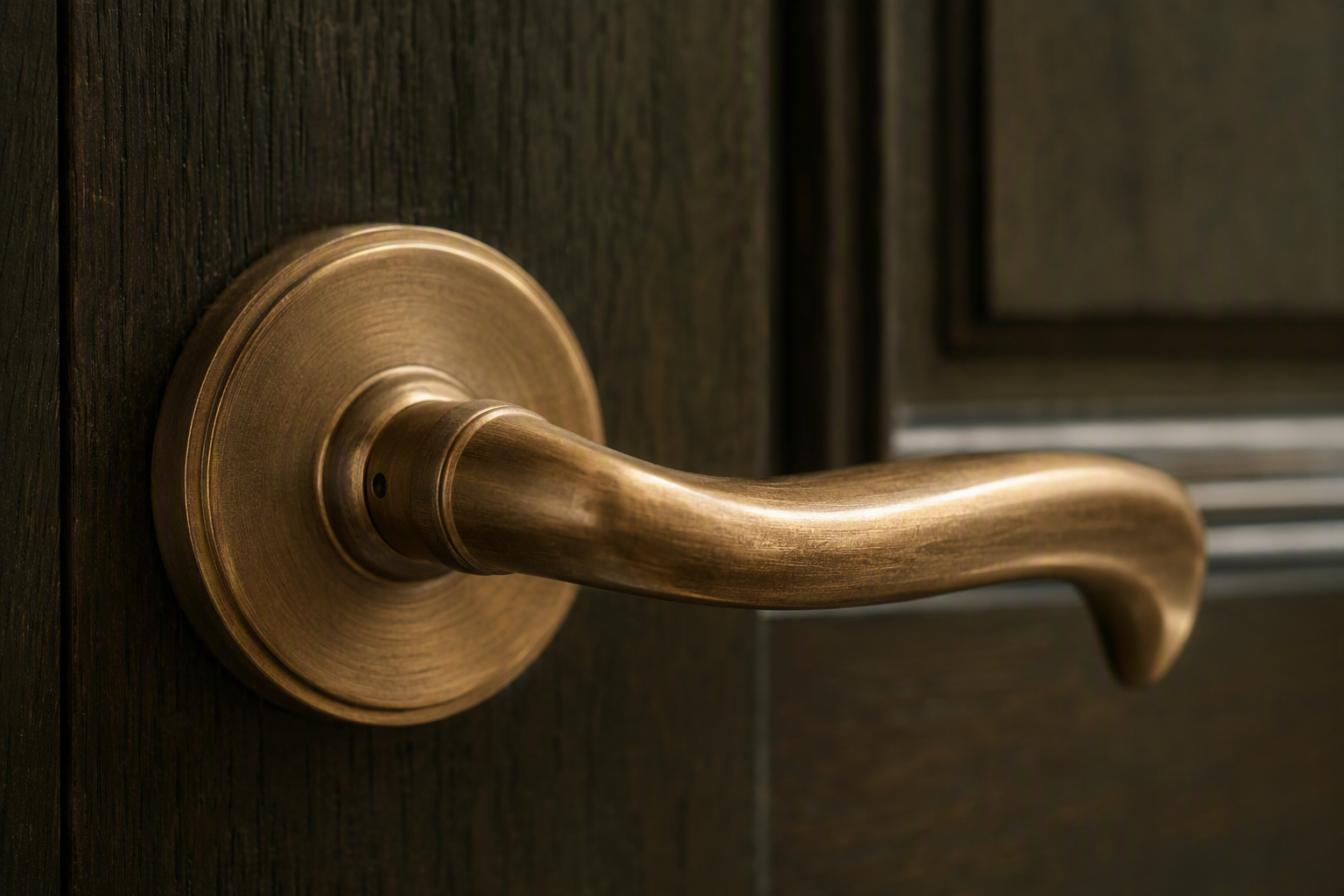
A door lock that isn't performing as it should can be a source of daily frustration. Whether it's a stiff turn of the key, a latch that refuses to engage, or a handle that feels loose, pinpointing the issue can often feel like a mystery. When facing such a situation in your Camberwell home or business, the most effective way to address it is to communicate clearly with your locksmith. This precision helps in a quicker, more efficient diagnosis and resolution, aligning with the detailed approach that keeps your door working flawlessly.
Learning how to describe your lock problem accurately to a locksmith is a valuable skill for any homeowner or property manager in Melbourne. It allows the professional to understand the nuances of the malfunction, often saving time and ensuring the right tools and expertise are brought to your doorstep. This article will guide you through the key observations and terminology that will empower you to articulate your lock's behaviour with confidence, transforming vague concerns into actionable insights.
From the specific symptoms of a malfunctioning mechanism to the context of its use within your property, every detail helps build a clearer picture. We'll explore how simple observations can inform complex solutions, helping you feel more prepared and in control when seeking professional assistance for your door hardware.
Key Details to Note When Your Lock Isn't Working
Before contacting a locksmith, taking a few moments to observe and document the issue can significantly streamline the service process. Think of yourself as a detective, gathering clues about "the details that keep a door working" – or, in this case, failing to do so. These initial observations are crucial for any lock problem description, particularly when choosing a locksmith Melbourne for nuanced repairs.
When and How the Problem Started
Understanding the history of the malfunction provides essential context. Did the lock suddenly cease to function after an incident, like a forced entry attempt or a dropped key, or has it been a gradual decline? A sudden failure might suggest a broken internal component or an obstruction, while a slow deterioration often indicates wear, misalignment, or accumulated debris. Note if the problem emerged after a specific event, such as a new tenant moving in, a property renovation, or even a change in weather conditions affecting the door's frame.
The Type of Door and Its Location
The type of door and its placement within your property significantly influence the lock system and potential issues. Is it your stately timber front door in a period home, a common apartment entry, a shopfront glass door, or a rear service entry? Each type of door, from a heavy solid core entrance to a lightweight internal passage door, uses different hardware and is subject to different stresses. Mentioning the door's location (e.g., "front door," "bedroom door," "office suite entry") helps the locksmith anticipate the hardware type and common issues associated with it. For heritage homes in Camberwell, for instance, the brass hardware on a period front door might require a specific approach compared to a modern apartment lock.
What Happens When You Operate the Key or Handle
This is perhaps the most critical detail. Systematically test the lock's operation and describe what you feel and hear.
- With the door open: Does the lock function normally? Can you turn the key, retract the latch, or extend the deadbolt? This helps isolate whether the problem lies with the lock mechanism itself or with the door/frame alignment when closed.
- With the door closed: Does the key turn freely? Does it get stuck? Does it turn but not engage the bolt? Does the handle turn but the latch doesn't retract? Listen for any grinding, scraping, or clicking sounds. Note if the door feels jammed against the frame when trying to close or open. These observations provide direct insight into the mechanical failure.
Identifying the Specific Symptoms of Lock Malfunctions
Moving beyond the general observations, articulating the precise symptoms of your lock issue can provide a locksmith with a clear diagnostic roadmap. Many lock problems manifest in distinct ways, and recognizing these can help the expert understand the underlying cause more quickly.
Stiff or Resistant Operation
A lock that operates stiffly or offers resistance when turning the key or handle is a common issue. Consider these points:
- Key insertion: Does the key slide smoothly into the keyway, or does it require force? A sticky keyway might indicate dirt, debris, or a worn key.
- Key turning: Once inserted, does the key turn with effort? Is it smooth, or does it feel gritty, spongy, or catch at certain points? If the key turns partially but doesn't fully engage the bolt, it could be a cylinder issue or a problem with the internal mechanism. This kind of resistance is often detailed in articles about Stiff Door Locks and Latches: Diagnosis and Resolution.
- Handle operation: Does the handle feel loose, stiff, or does it droop? Does it return to its original position after being released? A handle that doesn't spring back might indicate a worn spindle or a damaged internal spring mechanism.
Latches Not Engaging or Retracting
The latch is the small, spring-loaded bolt that extends from the edge of the door into the strike plate on the frame, holding the door closed. Problems with the latch are immediately noticeable:
- Door won't close: If the latch doesn't extend fully when the door is closed, the door won't stay shut. This could be due to a misaligned strike plate, a bent latch bolt, or a faulty spring within the lock body.
- Door won't open: If the latch retracts only partially or not at all when the handle is turned, the door remains stuck. This is often a sign of a broken internal mechanism or a seized latch bolt.
- Noise and feel: Does the latch make a grinding sound? Does it retract sluggishly? Is there excessive play in the handle before the latch moves? These are all important clues.
Keys Stuck, Broken, or Not Turning
Issues with the key itself or its interaction with the cylinder are clear indicators of a specific type of problem.
- Key stuck: If your Key Stuck or Broken in Lock: What Determines the Solution, note if it's completely jammed or if it can wiggle slightly. Does it feel like something is blocking it, or is it just tight? Attempting to force a stuck key can cause it to break inside the lock, exacerbating the problem.
- Key broken: If a key has broken off inside the lock, describe where the break occurred (e.g., at the head, in the shaft) and how much of it remains visible, if any.
- Key not turning: The key may insert perfectly but simply refuse to turn, or turn only slightly. This often points to issues within the cylinder itself, such as worn pins, a foreign object, or a misaligned cam. It could also indicate that the deadbolt is jammed against the strike plate.
Terminology to Use for Clear Communication with a Locksmith
Using precise terminology can significantly improve your communication with a locksmith, enabling them to understand your needs swiftly and accurately. While you don't need to be an expert, knowing a few key terms and how to describe sensory details can be incredibly helpful. Understanding common components can be a great starting point, as outlined in articles like Understanding Door Lock Types: Deadlocks, Latches, and Keying Systems.
Understanding Basic Lock Components
Familiarising yourself with the fundamental parts of a door lock allows you to articulate which part seems to be failing:
- Cylinder: This is where you insert the key. If the key is stiff, broken, or not turning, the cylinder is likely the focus of the problem.
- Latch: The spring-loaded bolt that extends from the door edge, holding it shut. Problems with the door not closing properly or getting stuck often involve the latch.
- Deadbolt: A solid bolt (usually non-spring-loaded) that extends further into the door frame, providing enhanced security. If your deadbolt is stiff or won't extend, it's a critical security concern.
- Spindle: The square bar that connects the door handles on either side, operating the latch. If your handles turn but the latch doesn't move, the spindle might be disengaged or broken.
- Escutcheon/Rose: The decorative plates or covers around the keyhole or handle. While mostly cosmetic, issues with these can sometimes indicate loose hardware.
- Strike Plate: The metal plate affixed to the door frame that the latch and deadbolt engage with. Misalignment here is a common cause of doors not closing or locking properly.
Describing the "Feel" and "Sound" of the Lock
Beyond just what happens, how it feels and sounds provides critical diagnostic clues. Locksmiths are highly attuned to these sensory details:
- Feel:
- "Gritty" or "graunchy": Suggests internal wear or debris.
- "Spongy" or "loose": Indicates a lack of firm engagement, possibly a broken spring or worn components.
- "Binding" or "catching": Often points to misalignment or components rubbing against each other.
- "Solid but unmoving": The mechanism is fully jammed.
- Sound:
- "Clicking": Could be normal operation, or an inconsistent click might suggest a worn part.
- "Grinding" or "scraping": Almost always indicates metal-on-metal friction where it shouldn't be, often due to wear or misalignment.
- "Rattling": Suggests loose internal components.
- "Silence" when expecting a click: A sign of a completely seized mechanism or broken spring.
The Importance of Context
Providing context ties all your observations together. For example, "The front door deadbolt on our Federation home has been getting progressively stiffer over the last month, particularly when it's humid, and now the key only turns halfway" is far more helpful than "My front door lock is broken." This context allows the locksmith to consider factors like the age of the hardware, environmental influences, and specific architectural styles, which often have their own unique locking mechanisms. For homes in Camberwell, specifying that the door is part of a heritage property, for example, can be key to selecting the right repair strategy, as discussed in Precision Lock Repair and Ongoing Maintenance for Longevity.
Preparing for Your Locksmith's Visit
Once you've made your observations and decided to contact a locksmith, a little preparation can ensure the visit is as efficient and effective as possible. This readiness reflects the Nina Locksmith ethos of attention to detail, making certain that when our team arrives, they can focus immediately on the solution.
Access and Safety Considerations
Ensuring clear and safe access to the affected door is a primary concern. Move any furniture, potted plants, or other obstructions that might hinder the locksmith's ability to work comfortably and safely. If the problem involves an external door, ensure the path to it is clear, especially if access is via a side gate or through a garden. If the lock is on an interior door, make sure the room is accessible. Inform the locksmith if there are any particular safety considerations on your property, such as pets, uneven surfaces, or electrical hazards.
Gathering Relevant Information
Having all your observations and collected information readily available will save time and facilitate a thorough diagnosis.
- Your notes: Keep the details you've gathered (when the problem started, specific symptoms, what you feel/hear) close at hand. This acts as a concise brief for the locksmith.
- Spare keys: If you have a spare key for the malfunctioning lock, have it available. Sometimes, a worn key can mimic a lock problem, and testing with a fresh key can help diagnose whether the issue is with the key itself or the lock mechanism.
- Maintenance history: If you recall any recent maintenance, repairs, or replacements related to the door or lock, mention these. Even seemingly minor work could impact the lock's performance.
- Other doors: If you have other similar locks on your property that are working correctly, the locksmith might use them as a reference point to understand the expected operation.
By taking these proactive steps, you contribute to a smoother, more effective service experience, allowing the locksmith to focus their expertise on resolving your specific door hardware issue with precision.
Frequently Asked Questions about Lock Problems
How do I know if I need a repair or a replacement?
Often, a detailed description of the problem helps the locksmith determine this. Minor issues like stiff operation due to wear or slight misalignment can often be repaired, extending the life of your existing hardware. More severe damage, a broken key extraction that compromises the cylinder, or outdated security may necessitate a full lock replacement. For a more in-depth guide on making this decision, consider reading our article on Rekey vs. Replace Locks: Making the Right Security Choice.
Can I describe a lock problem over the phone?
Yes, absolutely. In fact, providing a clear and detailed description over the phone allows your locksmith to prepare better, potentially bringing specific tools or parts relevant to your issue. Use the tips outlined in this article to articulate the symptoms, sounds, and context of your lock problem.
What if I don't know the name of my lock type?
Don't worry if you're unfamiliar with technical lock terminology. Focus on describing what you see and experience. For example, "It's the lock on my timber front door that uses a big skeleton key," or "It's the small button on the doorknob of my bathroom door." You can also mention if it's a deadlock, a knob set, or a lever handle. If possible, a clear photo can also be immensely helpful.
Conclusion
Successfully articulating your lock problem is more than just describing an inconvenience; it's about providing the precise details that empower your locksmith to deliver an efficient and effective solution. By taking the time to observe the 'when,' 'how,' 'what,' and 'where' of your lock's malfunction, and by familiarising yourself with some basic terminology, you ensure clear communication from the outset.
At Nina Locksmith Camberwell Service, we appreciate the nuances of door hardware, from the intricate mechanisms of period locks to the precision of modern commercial systems. Your detailed description helps us uphold our commitment to "the details that keep a door working" by allowing us to diagnose and address issues with expertise and efficiency.
If you're experiencing an issue with your door locks in Camberwell or surrounding inner-east Melbourne, don't hesitate to reach out. Provide us with your observations, and let our understanding of sophisticated door hardware guide you back to secure and smooth operation. Contact us today to discuss your lock repair or service needs.