Key Stuck or Broken in Lock: What Determines the Solution
Key stuck or broken in your Camberwell lock? Understand immediate actions, diagnose cylinder issues, and explore professional lock repair and extraction solutions with Nina Locksmith Camberwell.
Key Stuck or Broken in Lock: What Determines the Solution
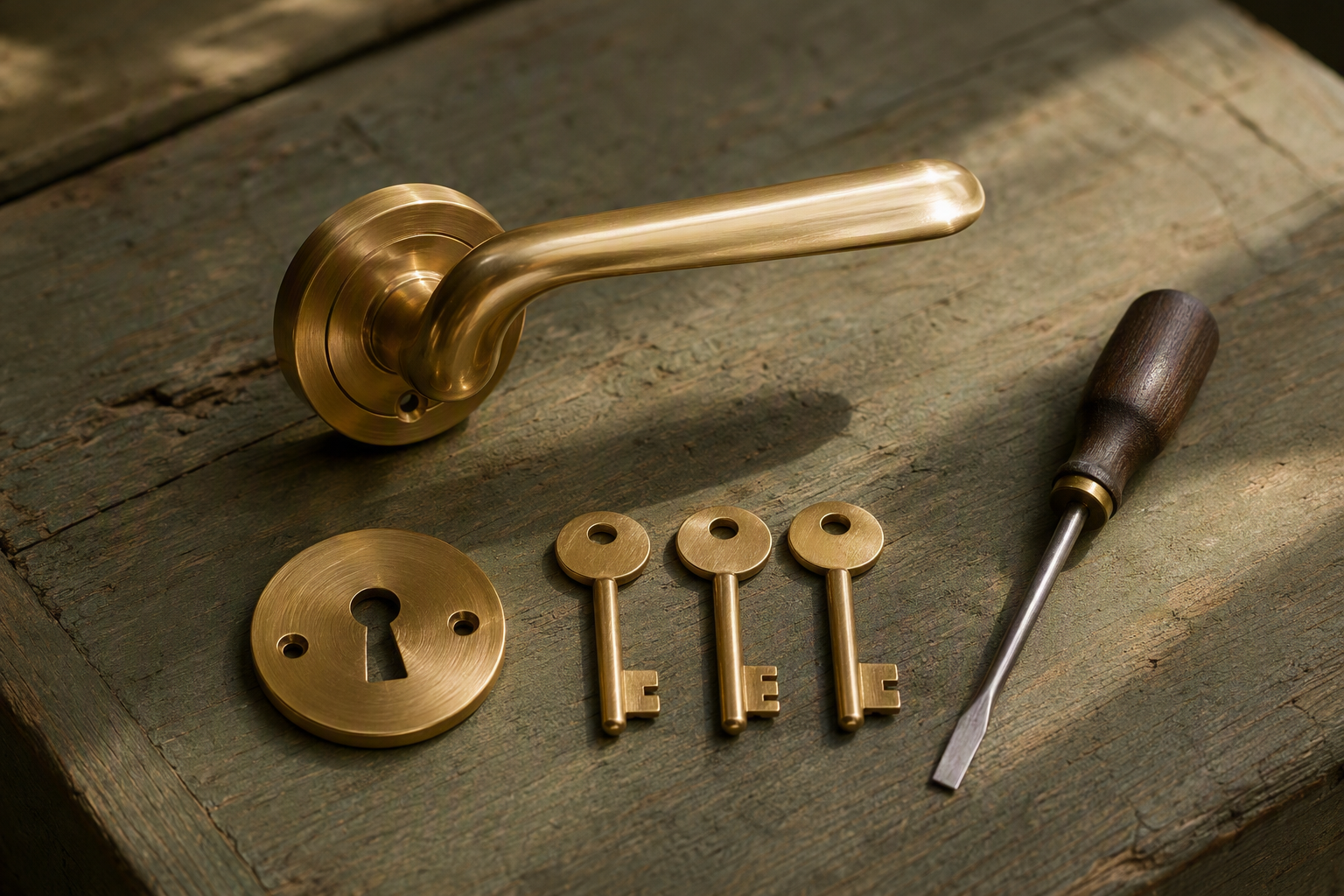
A key that suddenly refuses to turn, gets jammed, or worse, snaps off inside a lock, can be a moment of significant frustration. Whether it’s your elegant period front door in Camberwell, a secure apartment entry, or a commercial shopfront lock, a compromised key can halt your day. It’s a common door hardware problem that many encounter, and while the immediate urge might be to force it, understanding the underlying cause is crucial to finding the correct, least damaging solution.
This isn't merely an inconvenience; it often points to a larger issue with either the key itself, the internal mechanisms of the lock cylinder, or even the alignment of the door. A key stuck in lock or a broken key often signals wear, fatigue, or obstruction within the precise workings of your door hardware. In this article, we’ll explore the immediate steps you can take, how to accurately assess the situation, and the various professional solutions available, from delicate extraction to comprehensive lock repair in Camberwell. Our aim is to provide clarity on a problem that demands a precise and considered approach.
Immediate Actions When a Key Fails in a Lock
When a key becomes stuck or breaks, your initial reaction can significantly influence the ease and cost of the subsequent repair. The most critical piece of advice is to avoid any forceful attempts to turn or pull the key. Applying excessive pressure can push a broken key piece deeper into the cylinder, bend internal lock components, or strip the key's delicate bitting, exacerbating the problem.
Begin by assessing the situation calmly. If the key is merely stuck and not yet broken, try a small amount of graphite lubricant (not oil-based products, which can attract dirt) into the keyway. Gently wiggle the key while applying slight rotational pressure, but stop immediately if you encounter resistance. For a broken key, resist the temptation to pry it out with makeshift tools like tweezers or pliers. These methods often damage the surrounding pins and springs within the lock cylinder, turning a simple extraction into a more involved and costly lock repair. Understanding these basic precautions sets the stage for a proper diagnosis and resolution, protecting your valuable door hardware from further harm.
Analyzing the Damage: Key, Cylinder, or Both?
Determining whether the problem lies with the key, the lock cylinder, or the door itself is the first step toward a lasting solution. This diagnostic process is key to avoiding unnecessary interventions and ensuring the right fix.
Key Integrity: Is Your Key the Culprit?
Keys are made from various metals and, over time, can succumb to wear and tear. A bent, worn, or fatigued key is far more likely to get stuck or break. Examine your key closely: are the cuts (bitting) visibly rounded or flattened? Is the key shaft slightly twisted or bent? If you have a spare key, try using it. If the spare operates the lock smoothly, the issue is almost certainly with your original key. This suggests the lock mechanism itself may be healthy, simplifying the required service.
Lock Cylinder Health: Understanding Internal Faults
If a new or perfectly straight key still struggles, the lock cylinder is likely the source of the trouble. Modern cylinders, especially those exposed to the elements or frequent use, can suffer from internal degradation. Dust, grime, or corrosion can build up, impeding the smooth movement of the pins and springs. Alternatively, internal components might be worn, misaligned, or even broken. When you encounter a stiff lock that makes turning a key difficult, it’s a clear signal that the internal mechanism is not functioning as intended. Such issues often require the precise knowledge of a professional locksmith to diagnose and correct, ensuring the continued longevity and security of the lock. For further insight into these common problems, read our article on Stiff Door Locks and Latches: Diagnosis and Resolution.
Door Alignment & Hardware Considerations
Sometimes, the lock isn't the primary problem; it's the door's relationship with its frame. Timber doors, particularly those in older Camberwell homes, can swell or contract with humidity, leading to misalignment. This misalignment can place undue pressure on the latch or deadbolt, causing the key to bind within the lock. Check if the door is dragging, if the latch engages correctly with the strike plate, or if there's any visible warping. Issues like these often necessitate an adjustment to the door's hinges or strike plate before any work on the lock itself. The intricate connections between various door hardware components mean that a problem in one area can manifest as a fault in another, highlighting the importance of a holistic assessment. For properties around Camberwell Junction and Burke Road, such architectural nuances are particularly common, as detailed in our guide Locksmith Camberwell: Expertise for Burke Road & Camberwell Junction Properties.
Understanding Extraction and Repair Options for Key Incidents
Once the nature of the key or lock issue has been assessed, the path to resolution becomes clearer. Depending on the diagnosis, solutions range from precise key extraction to comprehensive lock repair or replacement.
Professional Key Extraction
If a key has broken or become firmly lodged within the cylinder, professional extraction is typically the safest and most effective approach. Locksmiths possess specialised tools designed to grip and withdraw broken key fragments without causing further damage to the delicate internal pins of the lock. Attempting this without the correct tools often leads to complications, turning a potentially straightforward extraction into a more extensive lock repair. A professional can often extract the key piece and, if the lock was functional beforehand, cut a new key to code, restoring full operation without the need for a new lock.
When Lock Repair is Possible
Beyond simple key extraction, many lock issues stemming from a stuck or broken key can be resolved through precise repair. This is especially true for quality door hardware, where components can often be serviced or replaced individually. Worn out internal springs, corroded pins, or a faulty cam can all contribute to a key's malfunction. A locksmith can dismantle the lock cylinder, clean its components, replace any damaged parts, and then reassemble it to factory standards. This process requires a detailed understanding of various lock types and their internal mechanisms, ensuring that the repaired lock functions reliably and securely for years to come. Our detailed guide on Precision Lock Repair and Ongoing Maintenance for Longevity offers more insight into this process.
Considering Lock Replacement or Rekeying
In some cases, especially if the lock cylinder is significantly damaged, excessively worn, or if the key broke due to a severe internal fault, a full lock replacement might be the most practical or secure option. This is also an opportune time to consider upgrading to a more robust or modern locking mechanism, particularly for high-traffic entry points or when security concerns are paramount.
Alternatively, if the lock body is sound but you've lost keys or want to ensure previous key holders no longer have access (e.g., after a tenancy change or purchasing a new home), rekeying presents an excellent solution. Rekeying involves altering the lock's internal pins so that it works with a new set of keys, while retaining the existing lock hardware. This is a cost-effective way to refresh your security without the expense of entirely new locks. For a deeper dive into these options, consult our article Rekey vs. Replace Locks: Making the Right Security Choice. Each of these services ensures the integrity and functionality of your doors, from the grand entrances of Camberwell period homes to the secure access points of commercial properties.
Common Questions About Key Failures
What causes keys to break inside locks?
Keys typically break due to metal fatigue from repeated use, twisting too forcefully, or if the lock mechanism itself is stiff or binding. Misalignment of the door or frame can also put strain on the key, leading to breakage.
Can I extract a broken key myself?
While it might be tempting, attempting to extract a broken key without proper tools and expertise can often push the fragment deeper or damage the lock cylinder’s delicate internal pins and springs. It's generally advisable to contact a professional locksmith to avoid further complications.
How can I prevent my keys from getting stuck or breaking?
Regular maintenance, including occasional lubrication of your locks with a graphite-based lubricant (avoid oil-based products), can help. Always ensure your keys are straight and undamaged, and avoid forcing a key if you feel resistance. Address any stiff or grinding lock mechanisms promptly.
Is it better to repair or replace a lock after a key breaks?
This depends on the extent of the damage to the lock cylinder. If the internal mechanism is only slightly affected or the key fragment is easily extracted, repair may be sufficient. However, if there's significant internal damage or the lock is old and worn, replacement might offer better long-term security and reliability. A professional assessment can determine the best course of action.
What if my key is stuck but not broken?
If your key is stuck but still intact, try applying a small amount of graphite lubricant into the keyway and gently wiggling the key while applying slight rotational pressure. Do not force it. If it still won't move, a professional locksmith can diagnose the cause, which could range from internal lock issues to door alignment problems.
Conclusion
A key stuck or broken in a lock is more than just a minor hiccup; it’s a signal that the intricate details of your door's operation require attention. From understanding the immediate actions to avoid further damage, to accurately diagnosing whether the key, the cylinder, or the door's alignment is the root cause, each step is critical.
At Nina Locksmith Camberwell Service, we approach these situations with precision and an understanding of the detailed craftsmanship that keeps a door working as it should. Whether it's the delicate process of key extraction, a meticulous lock repair, or the strategic decision for rekeying or replacement, our focus is on restoring both functionality and peace of mind. We understand the specific demands of Camberwell's diverse architecture, from heritage homes with their unique hardware to modern commercial entries. When confronted with a key issue, remember that a thoughtful, professional approach preserves the integrity of your hardware and your security. If you find yourself facing this common door hardware problem, consider reaching out to the experts who appreciate the value in the details.