Common Questions About Locksmith Services and Door Hardware
Get clear answers to common questions about choosing a locksmith in Melbourne. Understand lock repair in Camberwell and maintain your door hardware.
Common Questions About Locksmith Services and Door Hardware
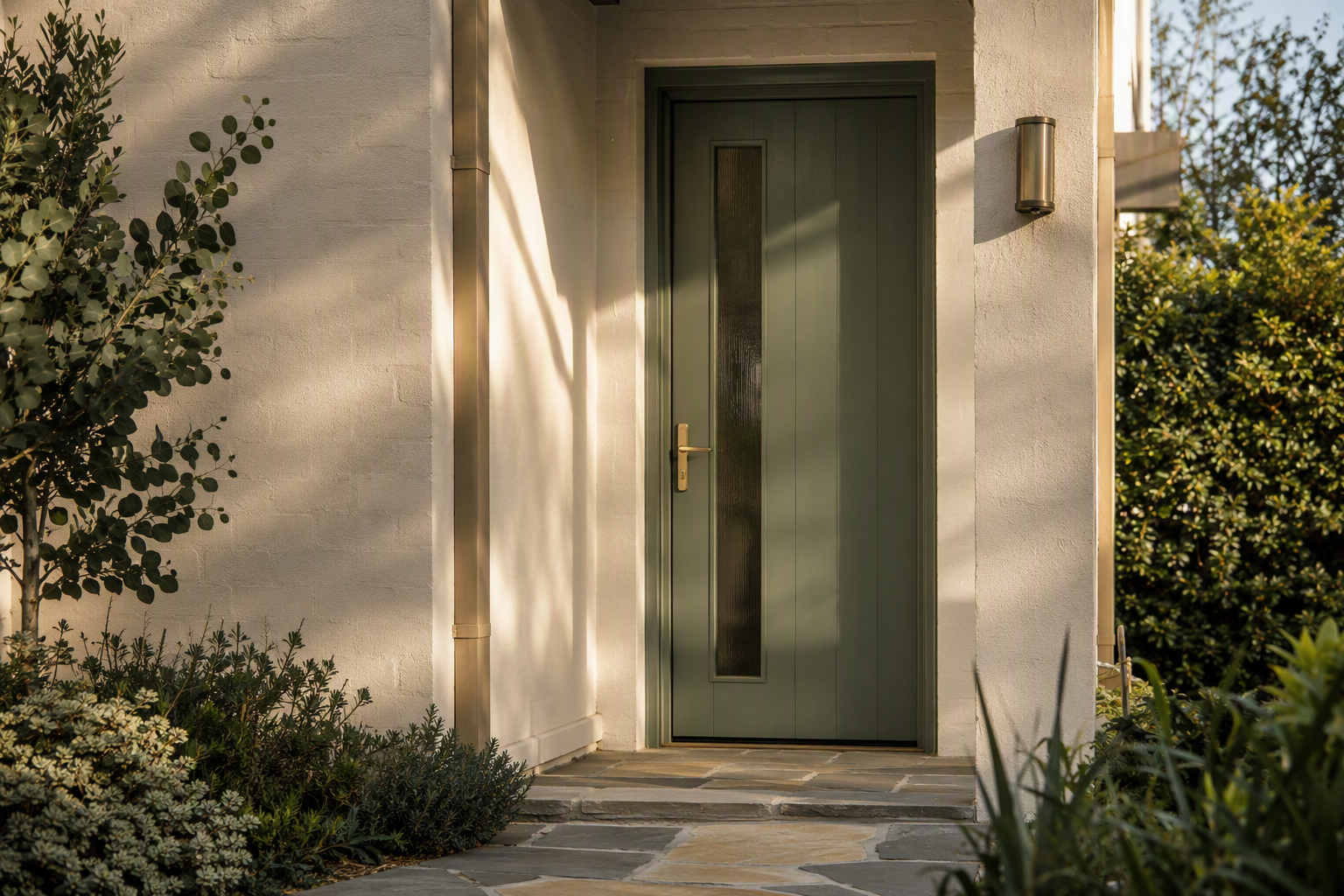
Navigating the world of door hardware and security can often raise many questions, whether you're managing a family home, an apartment in Camberwell, or a commercial space. From understanding why a lock suddenly feels "stiff" to deciding between a repair or a full replacement, the intricacies of these essential mechanisms are numerous. This article aims to address some of the most common inquiries we encounter, offering clarity and practical insights into maintaining the integrity and function of your doors. For those seeking expertise in [choosing a locksmith Melbourne], we believe informed decisions begin with a clear understanding of the components and considerations involved.
At Nina Locksmith Camberwell Service, our approach is centred on the details that keep a door working precisely. We appreciate the unique architectural character of Camberwell, where period homes often feature robust timber doors adorned with brass hardware, alongside modern apartments and dynamic commercial premises. Each presents its own set of considerations for optimal functionality and longevity. Our focus is on providing considered solutions that respect the existing aesthetic and engineering of your property, ensuring every entry point operates smoothly and reliably. This guide will help demystify common issues, providing a framework for identifying problems and understanding the professional solutions available.
General Inquiries About Lock Functionality and Maintenance
The daily interaction we have with our door hardware often leads us to overlook its complex internal workings. Yet, understanding the basic principles of how a lock functions and the small steps that contribute to its maintenance can significantly extend its lifespan and performance. Many questions arise concerning why a lock might cease to operate as smoothly as it once did or what constitutes routine care. These inquiries are fundamental to appreciating the precision engineering embedded within each mechanism.
The Anatomy of a Well-Functioning Lock
At its core, a lock is a precisely engineered device designed to secure a door. It comprises several interconnected components: the cylinder (where the key is inserted), the bolt (which extends into the door frame), the latch (which holds the door closed), and the internal mechanism (pins, springs, levers). For a lock to function correctly, all these elements must move in harmony, free from obstruction or undue friction. When you insert a key, it aligns the pins within the cylinder, allowing it to turn and retract or extend the bolt, thus securing or releasing the door. Any degradation in these components, be it wear, accumulation of debris, or misalignment, can disrupt this delicate balance.
Simple Habits for Hardware Longevity
Maintaining the smooth operation of your door hardware doesn't always require a locksmith immediately. Simple, consistent habits can make a significant difference. Regular cleaning of external hardware, especially brass and other metals common in Camberwell's period homes, prevents grime buildup that can impede function. For instances where a lock or latch feels hesitant, a judicious application of a suitable lubricant (like a silicone-based or graphite lubricant, specifically designed for locks, not WD-40 which can attract dust) into the keyway and around moving parts can often restore fluid movement. However, over-lubrication can be detrimental, attracting dust and turning into a gummy residue. Focus on sparing applications.
When to Consider Professional Assessment
While minor adjustments and lubrication can often help, there are times when a professional assessment is crucial. If a lock feels consistently "gritty," if the key frequently sticks or is hard to turn, or if the latch doesn't fully retract or extend, these are indicators of underlying issues. These problems might stem from internal wear, misaligned components, or even subtle shifts in the door frame itself. Attempting complex repairs without the proper tools or understanding can often exacerbate the problem. For homeowners in Camberwell concerned about the integrity of their heritage locks or modern security systems, understanding when to seek expert help ensures the issue is resolved precisely and prevents further damage. Addressing issues promptly can prevent more significant problems and extend the life of your hardware, ensuring the quiet mechanism continues to operate effectively.
Understanding When to Call a Locksmith for Your Door Problems
It's common to wonder whether a peculiar click, a slight resistance, or an entirely stuck lock warrants professional attention. Many assume a locksmith is only for emergency lockouts, but their expertise extends far beyond, encompassing the meticulous diagnosis and resolution of a broad spectrum of hardware issues. Deciding when to enlist a professional depends on the nature and persistence of the problem, particularly when it impacts security or daily convenience.
Identifying Issues Beyond Everyday Adjustments
Some door problems are minor and can be resolved with simple adjustments, such as tightening a loose screw on a handle or applying lubricant to a stiff keyway. However, certain issues signal a deeper problem that often requires specialised knowledge and tools. These include:
- Intermittent Functionality: A lock that works sometimes but not others suggests internal wear or misalignment that's progressively worsening.
- Key Difficulties: If your key bends, breaks, or is consistently difficult to insert, turn, or remove, the lock cylinder or key itself may be compromised.
- Persistent Sticking or Dragging: Despite lubrication, if a latch or bolt still drags, catches, or refuses to engage fully, it indicates a mechanical fault within the lock body or an issue with the door's alignment. For specific insights into common issues, you might find our article on Stiff Door Locks and Latches: Diagnosis and Resolution helpful.
Distinguishing Wear from Damage
A lock's performance degrades over time due to normal wear and tear. Internal components, particularly springs and pins, can lose their resilience or become abraded. This wear is a natural consequence of repeated use and can manifest as a "spongy" feel or less positive engagement. Damage, on the other hand, often implies a sudden incident – perhaps a forced entry attempt, an impact, or a significant internal component failure. Differentiating between the two is crucial for determining the appropriate solution. Wear might be addressed with specific [lock repair Camberwell] techniques, while damage could necessitate a full lock replacement to restore security and function. An expert assessment can accurately identify the root cause, ensuring the most effective and durable resolution.
The Value of Precision for Older Hardware
For properties throughout Camberwell and the inner-east, particularly those with heritage architecture, door hardware often presents unique challenges. Older locks and mechanisms, especially those featuring ornate brass or intricate internal workings, require a nuanced approach. These aren't always designed to modern manufacturing standards, and finding compatible parts or understanding their specific maintenance requirements demands a high level of expertise. A skilled locksmith understands the historical context and mechanical principles of these older systems, ensuring repairs respect the original design while restoring functionality. This precision ensures that the character and integrity of your period home are preserved, making these pieces not just functional but integral to the building's aesthetic. For detailed information on this, explore our insights on Preserving Heritage: Locksmithing for Camberwell's Period Homes.
Guidance on Maintaining Your Door's Security and Operation
Beyond addressing existing problems, proactive maintenance is key to ensuring the long-term security and smooth operation of your door hardware. Much like any finely tuned mechanism, locks and their accompanying components benefit from regular attention. This not only extends their lifespan but also helps prevent unexpected failures, enhancing the overall safety and convenience of your home or business in Camberwell.
Regular Cleaning and Lubrication
Routine cleaning and appropriate lubrication are foundational to preventing many common lock issues. Dust, dirt, paint overspray, and even ambient moisture can gradually accumulate within lock mechanisms and on external hardware, leading to friction and sluggish operation.
- External Hardware: For brass, bronze, and other metal finishes common in Camberwell homes, gentle cleaning with a soft cloth and mild soap can maintain their lustre and prevent corrosive build-up. Avoid abrasive cleaners.
- Internal Mechanisms: As mentioned previously, for the lock cylinder and internal moving parts, use a dry graphite powder lubricant or a silicone-based spray specifically designed for locks. Apply sparingly into the keyway and to any visible moving parts of the latch or bolt. Avoid oily lubricants that can attract and trap dust, forming a gummy residue over time. This simple step can dramatically improve the feel and responsiveness of your lock.
Assessing Key Condition and Duplication
Your key is the direct interface with your lock's internal mechanism, and its condition significantly impacts the lock's performance. A worn, bent, or damaged key can cause undue stress on the internal pins and springs, leading to premature wear of the lock cylinder.
- Inspect Your Keys: Regularly check your keys for signs of wear, particularly thinness on the teeth or bends. If a key is difficult to insert or turn, it might be the key itself, not the lock.
- Quality Duplication: When you need spare keys, always opt for professional key cutting services. Poorly cut keys can damage your lock's internal components, leading to expensive repairs. A high-quality duplicate should glide smoothly into the lock and turn without force.
Seasonal Considerations for Door Hardware
Camberwell's climate, with its varying temperatures and humidity levels, can subtly affect door hardware. Timber doors, in particular, can expand and contract with changes in moisture, potentially causing door and frame misalignment that impacts lock and latch function.
- Check Door Alignment: Periodically check that your door closes snugly and that the latch and bolt align perfectly with the strike plate on the frame. If you notice new gaps or increased friction, it might indicate door movement.
- Adjust Strike Plates: Minor adjustments to the strike plate (the metal plate on the door frame where the latch and bolt engage) can often resolve issues with latches not engaging fully or bolts catching. For more complex alignment problems, especially with the unique doors found in properties across Locksmith Camberwell: Expertise for Burke Road & Camberwell Junction Properties, professional assistance may be required to prevent long-term damage.
By integrating these maintenance practices into your routine, you can significantly prolong the life and reliability of your door hardware, ensuring both security and smooth daily operation.
Frequently Asked Questions About Locksmith Services
When considering the well-being of your home or business's entry points, it's natural to have questions about the services locksmiths provide. Here are some common inquiries that help clarify what to expect and how to approach common lock-related dilemmas.
Q: What information should I provide when contacting a locksmith about a problem? A: To help a locksmith understand your situation quickly, try to describe the issue as accurately as possible. Mention the type of door (e.g., front door, apartment entry, commercial shopfront), the type of lock (e.g., deadlock, knob lock, mortice lock), and the specific symptom (e.g., "key turns but doesn't unlock," "latch won't retract," "door handle loose"). Providing details like whether the problem is intermittent or constant, and if it developed suddenly or gradually, is also very helpful. For more guidance, see our article on How to Describe Your Lock Problem Accurately to a Locksmith.
Q: Is it better to repair a lock or replace it entirely? A: The decision to repair or replace often depends on the extent of the damage, the age of the lock, and the overall security requirements. Minor issues like a stiff cylinder or a loose component can often be repaired cost-effectively, especially with heritage hardware. However, if a lock is severely damaged, very old and prone to recurring issues, or if you're looking to upgrade security, replacement might be the more sensible long-term solution. A locksmith can assess the lock's condition and advise on the most appropriate action. Our guide on Rekey vs. Replace Locks: Making the Right Security Choice provides more context.
Q: Can a locksmith help if my key is stuck or broken in the lock? A: Yes, this is a common service. A locksmith has specialized tools and techniques to safely extract a broken or stuck key without damaging the lock's internal mechanism. Attempting to extract it yourself with improper tools can push the key further in or cause damage, making the professional repair more complex and costly.
Q: How often should I have my locks checked or serviced? A: There's no strict rule, but for high-traffic doors or older properties, an annual check-up can be beneficial. For residential doors, if you notice any changes in how the lock feels or sounds, or if a key becomes difficult to operate, it's a good time for an inspection. Proactive servicing can prevent small issues from escalating into major problems.
Conclusion
Understanding the nuances of locksmith services and the intricacies of your door hardware is essential for maintaining the security and functionality of your property. From the quiet precision of a well-maintained mechanism to the considered expertise required for period homes, every detail contributes to the overall integrity of your entry points. We've explored common inquiries, from basic lock functionality to knowing when professional intervention is necessary, emphasizing the value of proactive maintenance and informed decision-making.
At Nina Locksmith Camberwell Service, our commitment is to the fine details and lasting solutions. We pride ourselves on a deep understanding of architectural hardware and the specific needs of Camberwell's diverse properties. If you have further questions or require expert assistance for your residential or commercial locks and doors, we invite you to connect with us. Our focus remains on delivering precise, reliable service that keeps your doors working exactly as they should. Contact us today to discuss your specific needs.